This pottery set brings together two vessels from different times and places, each with its own beauty.
The Vietnamese vessel from the Lê Period (1428–1788), is finished with a bright glaze. In contrast, the contemporary Japanese tray or plate, handmade by Yoshimitsu Ishihara in Fukuoka Prefecture, features a dark, and more textured glaze created by blending clay with metal-based materials such as ferric oxide, copper oxide, and manganese dioxide. The delicate forms of both pieces invite a closer look at their differences. The Vietnamese vessel has a smooth, glossy surface. The small Japanese tray has an earthy and tactile finish. This visual and material contrast bridges time and cultures, reminding us of the power of craftsmanship.
Displayed together, these two vessels encourage us to reflect about the passage of time.
This pottery set brings together two vessels from different times and places, each with its own beauty.
The Vietnamese vessel from the Lê Period (1428–1788), is finished with a bright glaze. In contrast, the contemporary Japanese tray or plate, handmade by Yoshimitsu Ishihara in Fukuoka Prefecture, features a dark, and more textured glaze created by blending clay with metal-based materials such as ferric oxide, copper oxide, and manganese dioxide. The delicate forms of both pieces invite a closer look at their differences. The Vietnamese vessel has a smooth, glossy surface. The small Japanese tray has an earthy and tactile finish. This visual and material contrast bridges time and cultures, reminding us of the power of craftsmanship.
Displayed together, these two vessels encourage us to reflect about the passage of time.

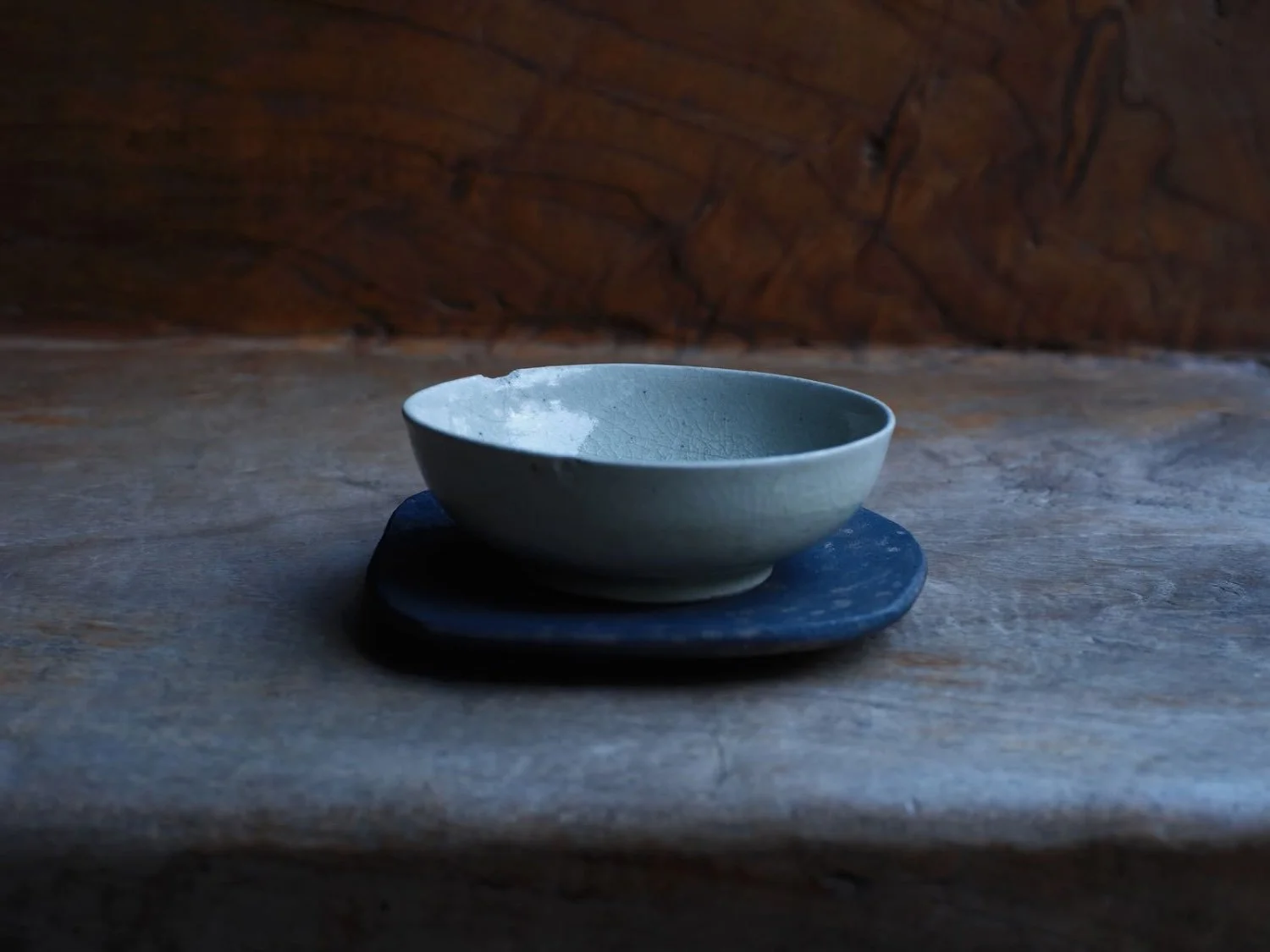 Image 1 of 6
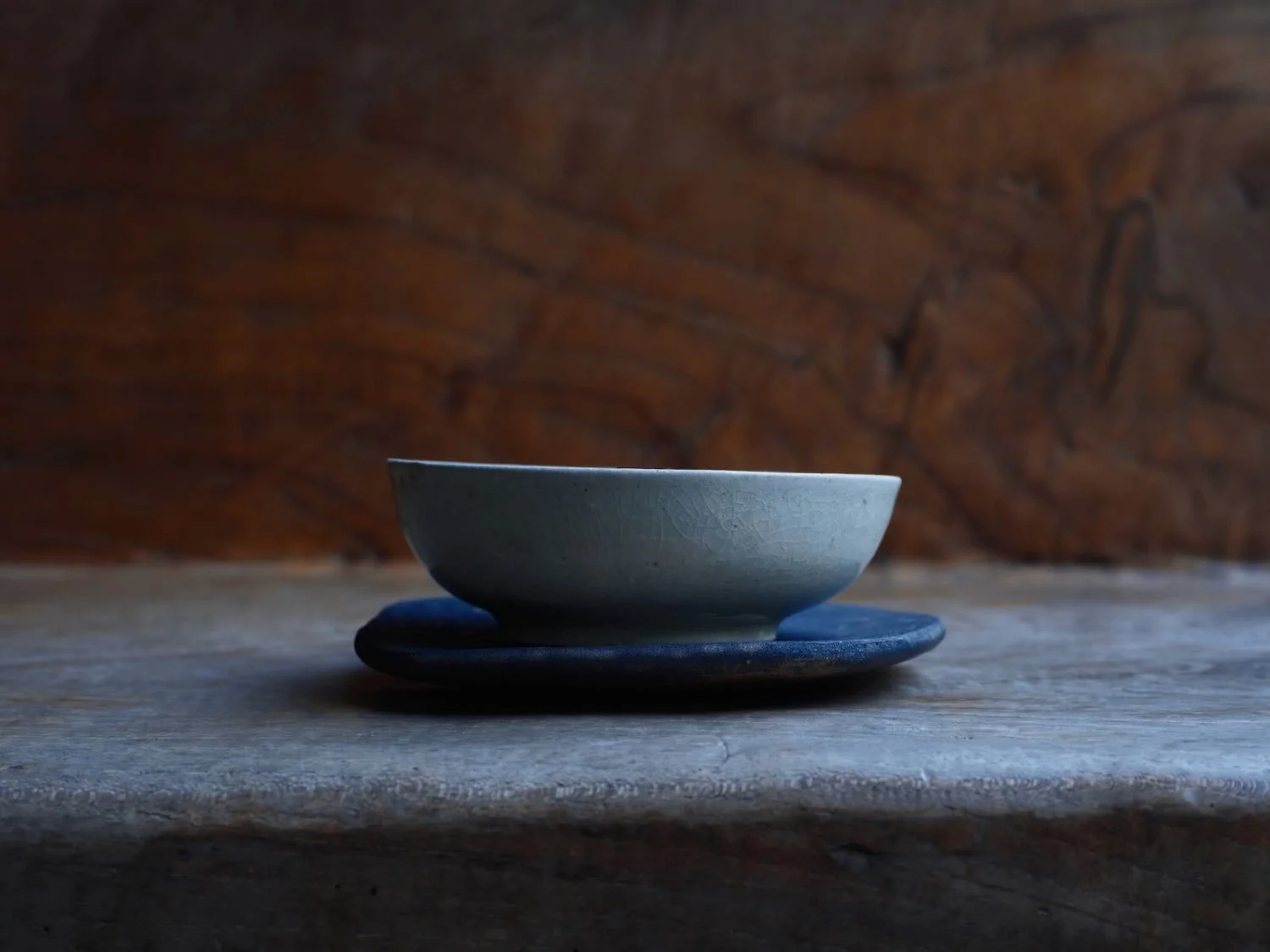 Image 2 of 6
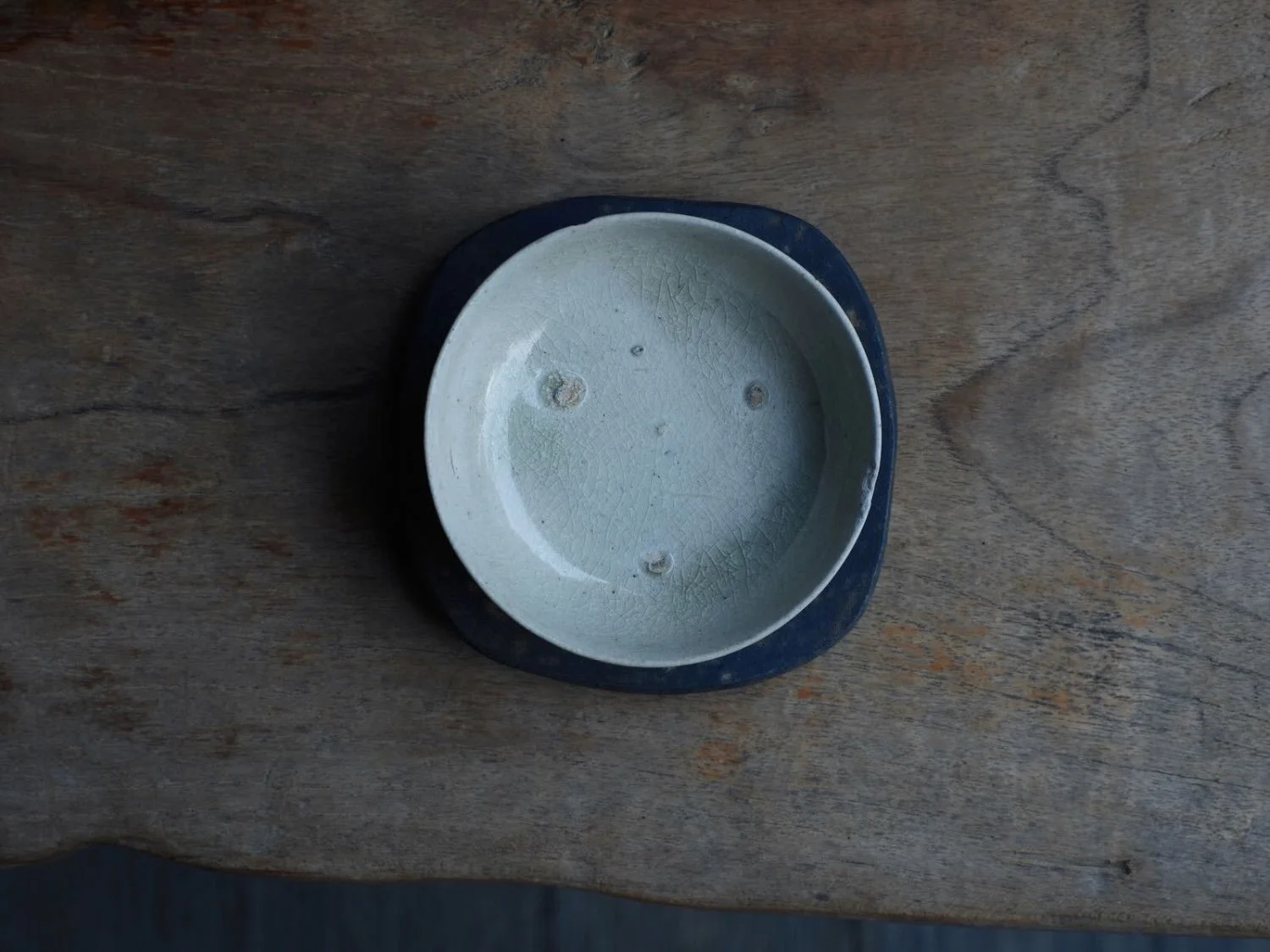 Image 3 of 6
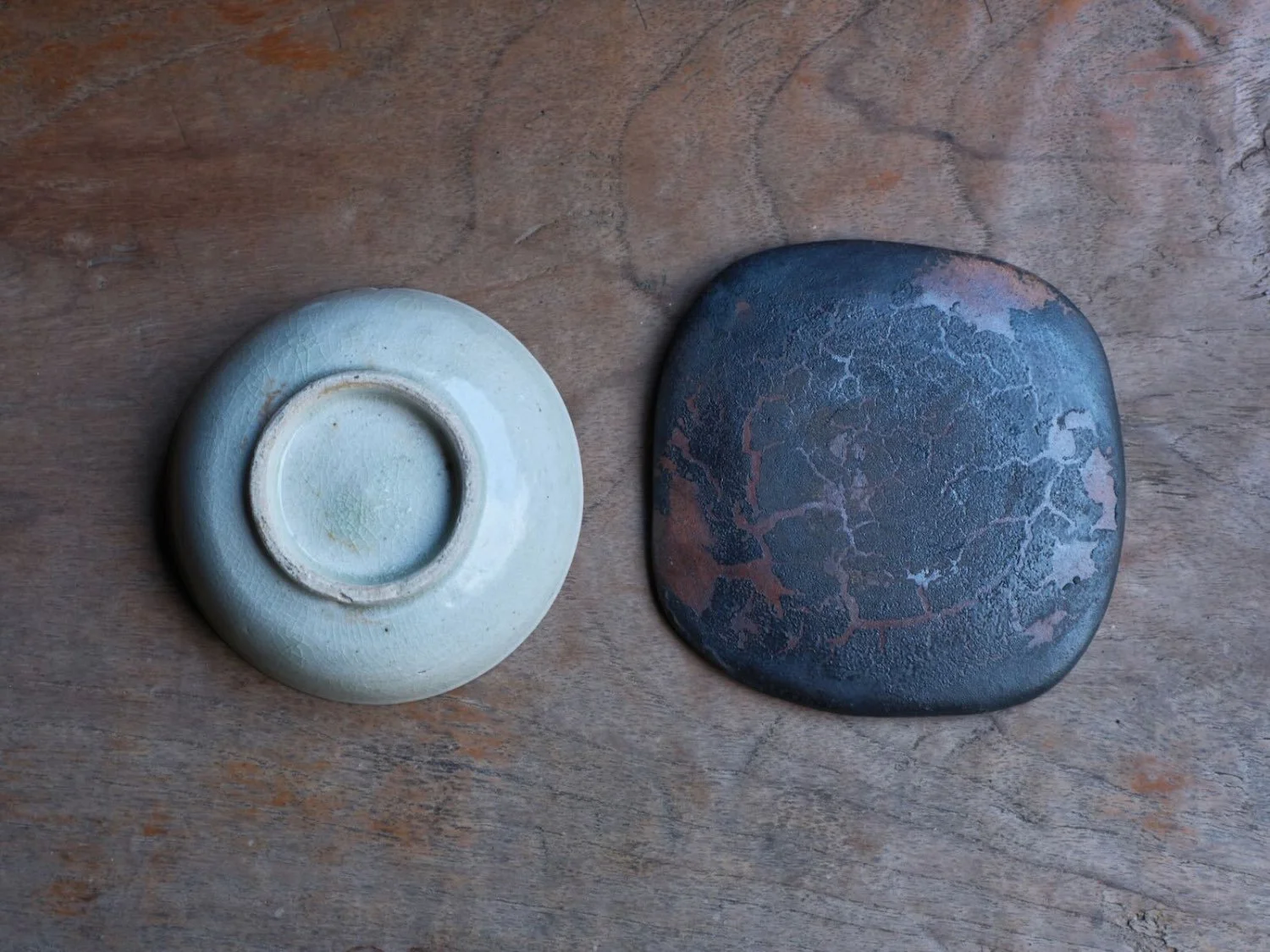 Image 4 of 6
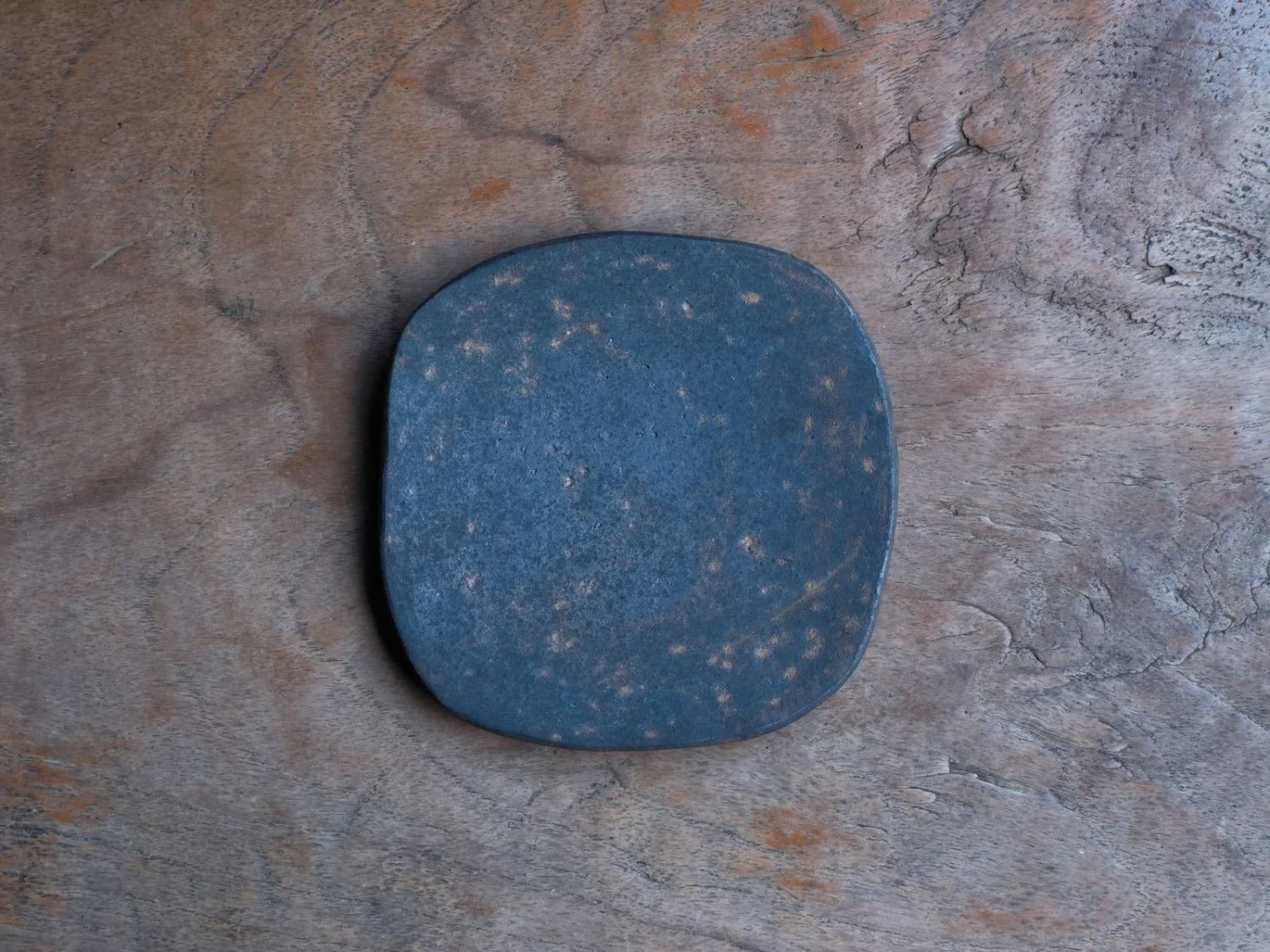 Image 5 of 6
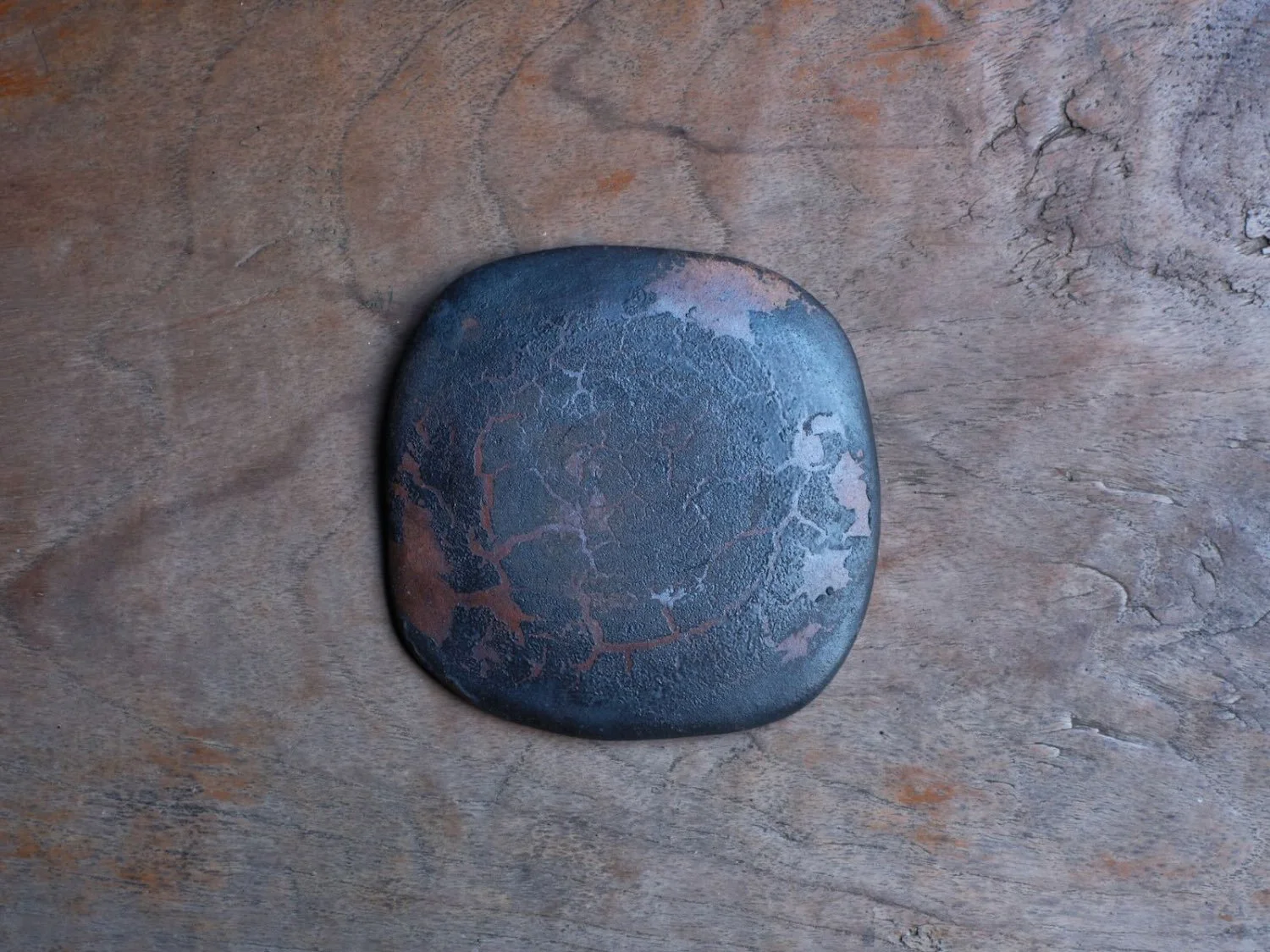 Image 6 of 6