Unusual shaped bottle with brushstrokes made using the Hakeme technique that originated in Korea before being adapted by Japanese potters in the early 17th century. This bottle has a rustic look and feel. Its expressive brushmarks reminds us of wheat stems. It can be used everyday as a bottle, or be a decorative item as a vase.
Onta ware is connected to the Japanese Mingei (folk art) movement, founded by Yanagi Sōetsu in the 1920s. True to the Mingei spirit, Onta pottery is designed for everyday use, functional and honest. Onta is a small village nestled in the Kyushu mountains where around ten families of potters continue a tradition more than 300 years old. The clay for Onta ware is sourced from local stone and prepared using a water mill, a process called kara’usu that can take up to two months. This slow and rhythmic preparation is part of the community and the sound of the water mill has been recognized as one of Japan’s 100 Soundscapes, preserved for its cultural significance.
Each piece is shaped by hand, fired in wood-burning kilns, and finished with natural glazes made from materials like straw, iron, copper, and ash. The result are pieces that feel timeless and rooted with subtle variations that make every piece unique. In 1970, Onta pottery has been designated an Intangible Cultural Property of Japan meaning that potters continue to work according to traditional methods and perpetuate an important old knowledge and savoir-faire.
Unusual shaped bottle with brushstrokes made using the Hakeme technique that originated in Korea before being adapted by Japanese potters in the early 17th century. This bottle has a rustic look and feel. Its expressive brushmarks reminds us of wheat stems. It can be used everyday as a bottle, or be a decorative item as a vase.
Onta ware is connected to the Japanese Mingei (folk art) movement, founded by Yanagi Sōetsu in the 1920s. True to the Mingei spirit, Onta pottery is designed for everyday use, functional and honest. Onta is a small village nestled in the Kyushu mountains where around ten families of potters continue a tradition more than 300 years old. The clay for Onta ware is sourced from local stone and prepared using a water mill, a process called kara’usu that can take up to two months. This slow and rhythmic preparation is part of the community and the sound of the water mill has been recognized as one of Japan’s 100 Soundscapes, preserved for its cultural significance.
Each piece is shaped by hand, fired in wood-burning kilns, and finished with natural glazes made from materials like straw, iron, copper, and ash. The result are pieces that feel timeless and rooted with subtle variations that make every piece unique. In 1970, Onta pottery has been designated an Intangible Cultural Property of Japan meaning that potters continue to work according to traditional methods and perpetuate an important old knowledge and savoir-faire.

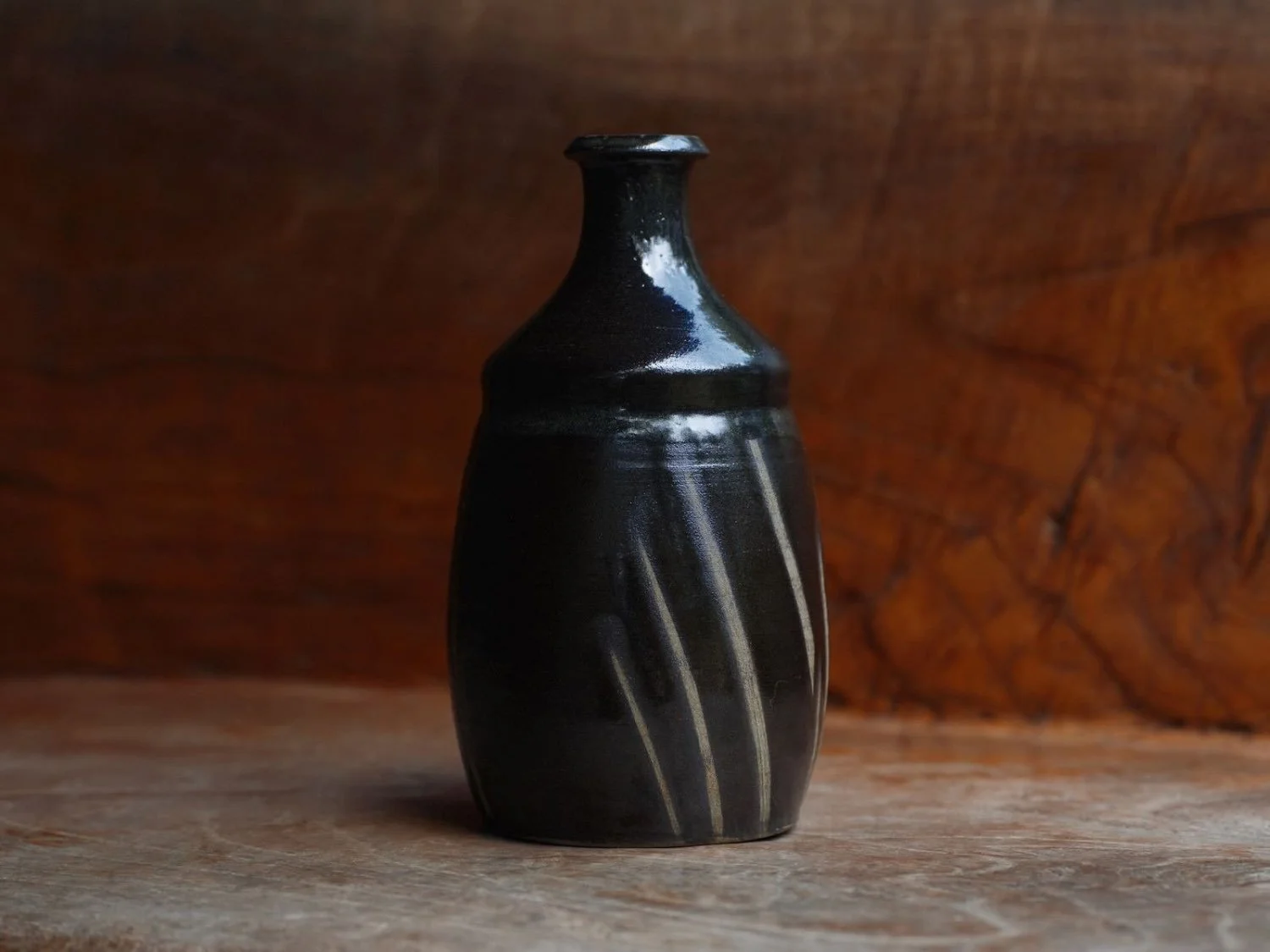 Image 1 of 4
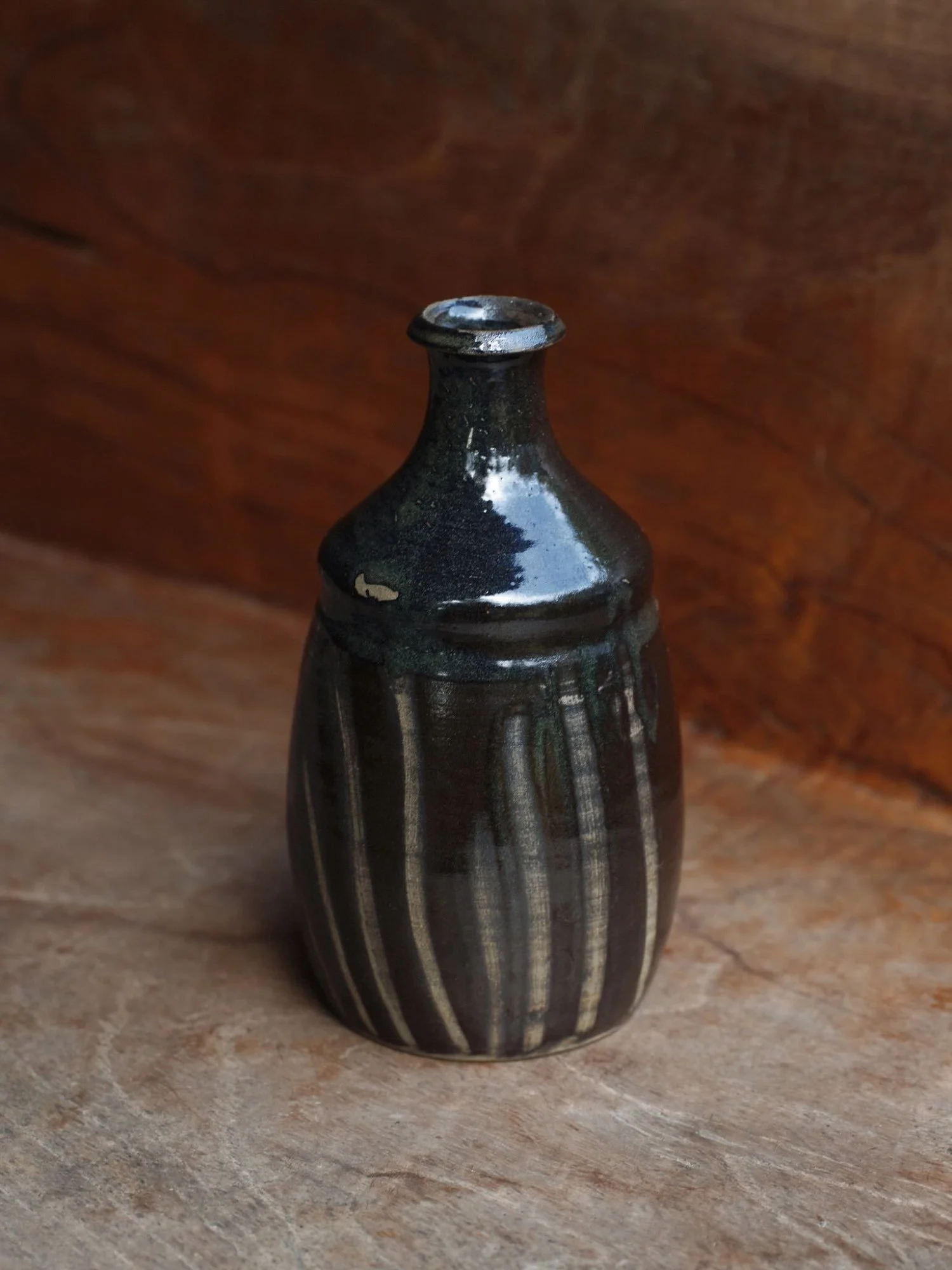 Image 2 of 4
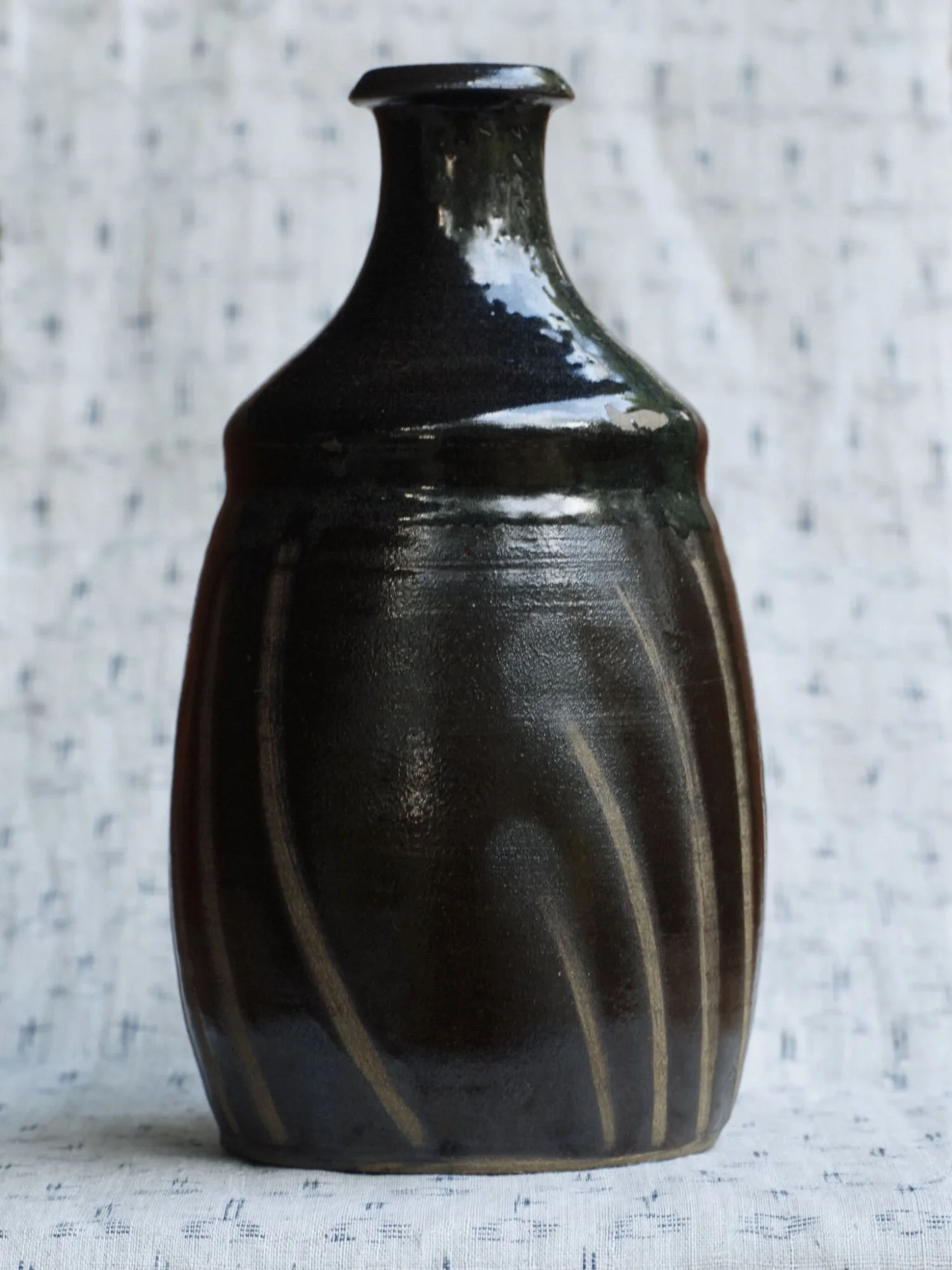 Image 3 of 4
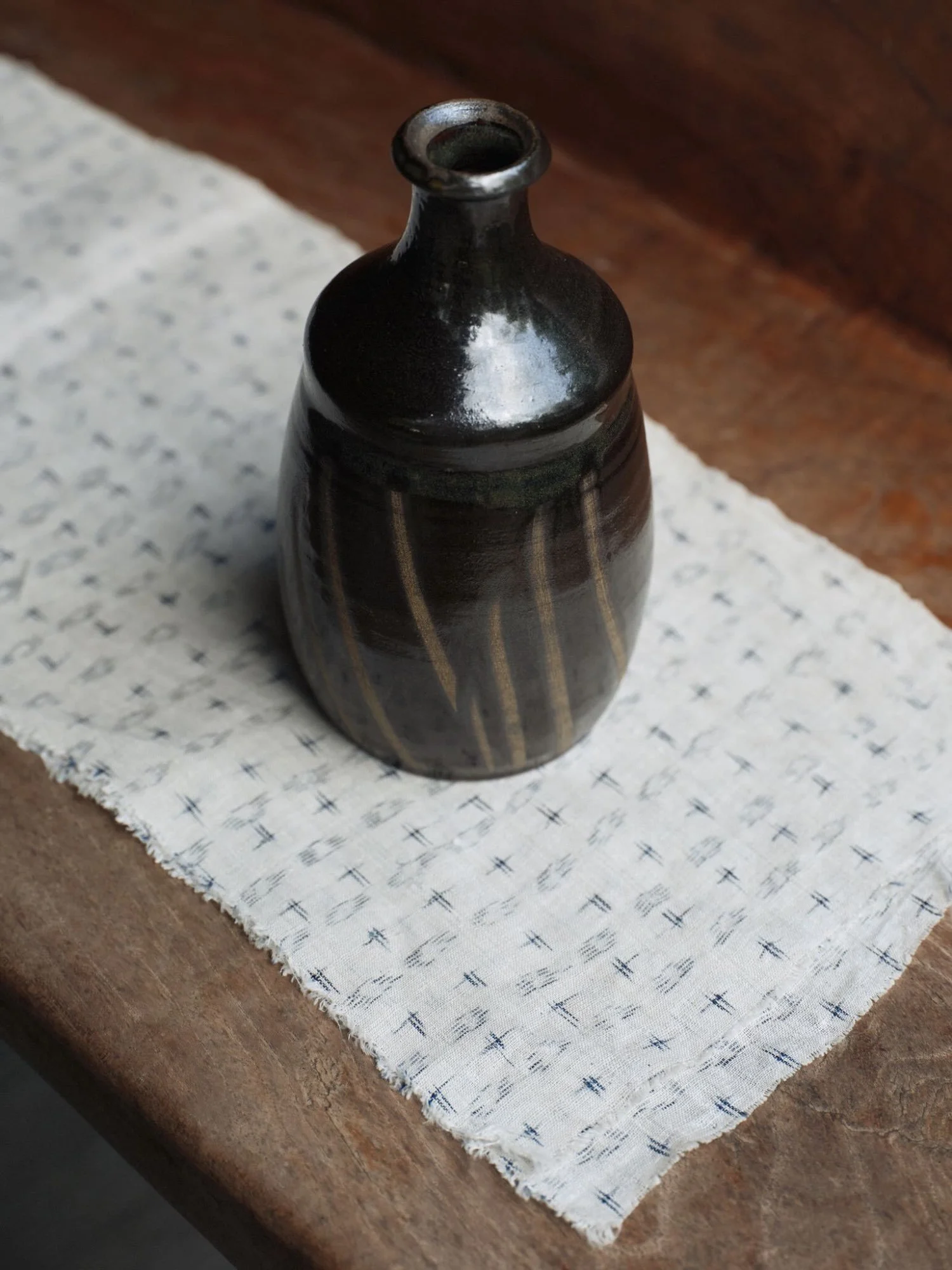 Image 4 of 4