
The Forest, a Sanctuary to Cherish
Forests do so much for us, quietly. In this month of May, when nature starts blossoming in some parts of the world, and enters into autumn mood in others, maison tombo offers a poem as a tribute to their generosity, beauty, and quiet power.
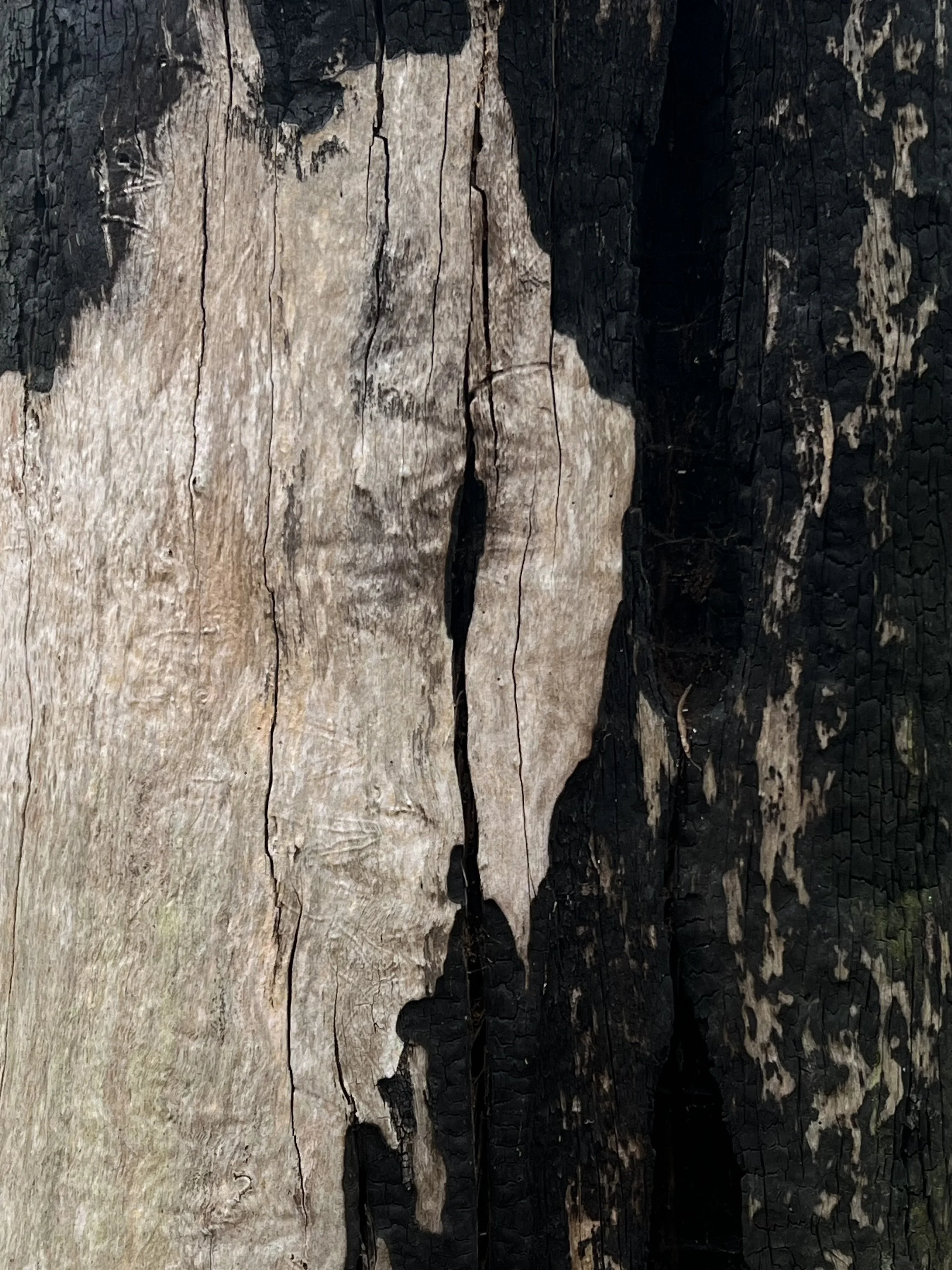
trunk of a tree, once burnt in a forest fire in australia, still standing ©2026 maison tombo
Forests form an incredible ecosystem, home to a rich variety of life, from fungi and insects in the soil to the trees and animals above ground. They sustain us in ways we tend to take for granted, cleaning our air, regulating water cycles, and supporting more species than almost any other environment on Earth.
Forests regulate climate by absorbing roughly a third of global CO₂ emissions annually and cooling the surrounding air through transpiration. They also influence rainfall patterns far beyond their own borders. Large forests like the Amazon generate their own moisture cycles through transpiration, essentially producing "flying rivers" of water vapour that travel thousands of miles and trigger rainfall far away. They act as giant sponges, absorbing rainfall and releasing it slowly into rivers and aquifers. Deforested areas tend to suffer both floods and droughts more severely as a result.
Tree roots hold soil together and prevent erosion. Leaf litter feeds microbes that keep soil fertile. Without forest cover, topsoil can vanish within a few years. Trees also share nutrients and chemical signals through vast fungal networks (sometimes called the "wood wide web"). A mother tree can recognise its own seedlings and send them extra carbon through these roots. Trees can slow their aging. When a tree is attacked by insects, it releases airborne chemicals that neighbouring trees can detect — and they respond by producing more tannins and other defensive compounds before they're even touched. Some trees, like bristlecone pines, essentially stop growing and reduce their metabolism dramatically under stress, which is partly why they can live for thousands of years. A fallen dead tree can sustain hundreds of species and feed the forest for over 200 years as it slowly decomposes, giving more back in death than it did alive in some ecosystems.
Forests are biodiverse. They house around 80% of the world's terrestrial species (insects, fungi, plants, mammals, birds) all interlocked in webs of dependency. Remove one layer and others collapse. Forests produce oxygen. Through photosynthesis, forests produce a significant portion of the oxygen we breathe, while locking carbon into wood, roots, and soil.
And beyond all those resources and generous ecosystem services, proximity to forests reduces stress hormones, blood pressure, and anxiety in humans. Trees emit compounds called phytoncides, which boost human immune function, specifically increasing natural killer cell activity. Japanese "forest bathing" (shinrin-yoku) is based on this real biological effect. A large proportion of modern medicines derive from forest plants, and billions of people depend on forests directly for food, fuel, and shelter.
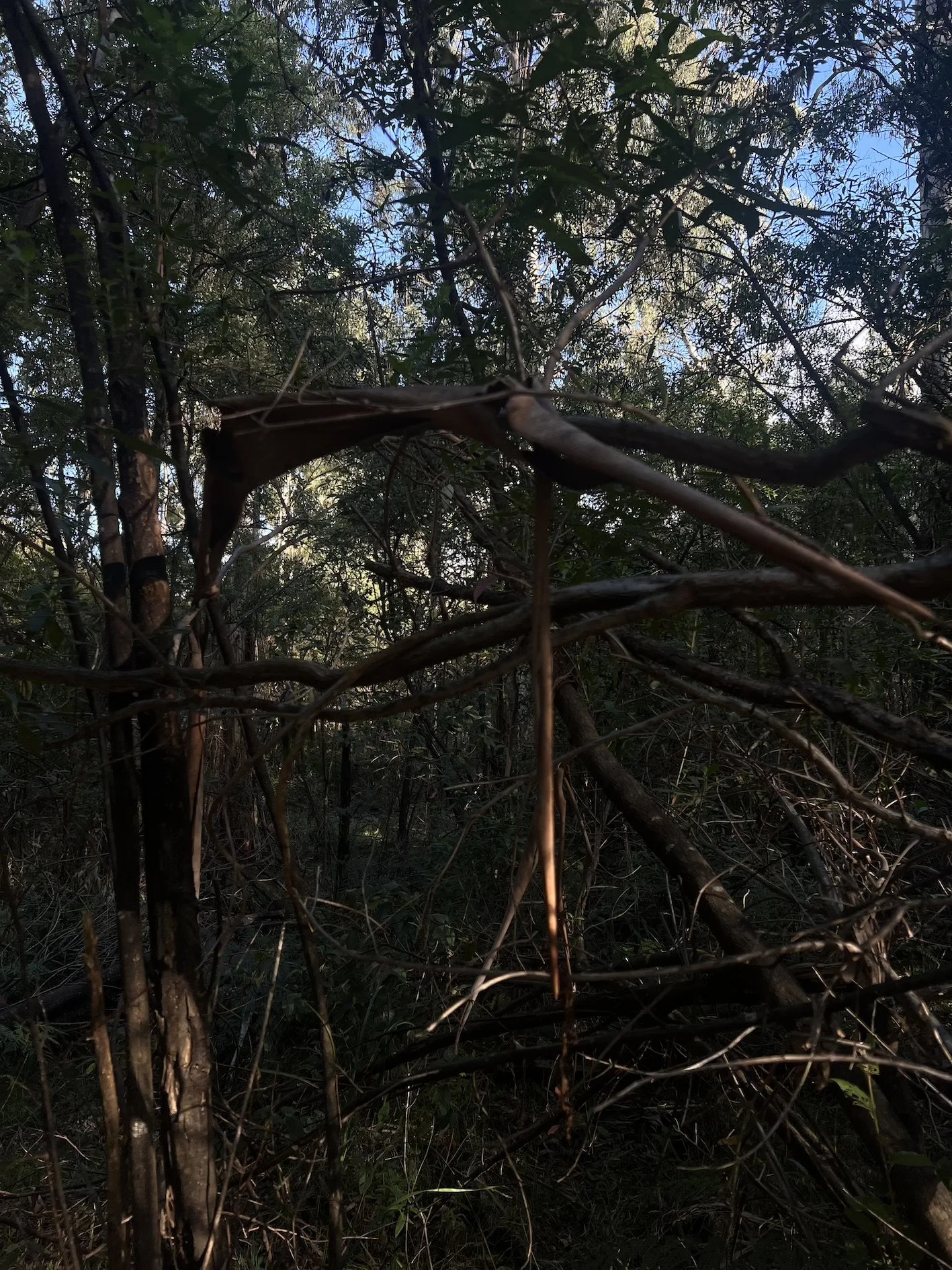
a forest of eucalyptus trees in victoria, australia © 2026 maison tombo
Now let’s pause and take a deep breath before reading the poem.
forests offer refuge
one footfall two footfalls
brush the ground & under
feeling alive
the eucalyptus tree
sheds its bark
to regenerate
growing again
the fallen leaves
nourish the soil
cushion footfalls
vanishing
the smell of the rainwater
fills the air
with its perfumes
sweeping away
the bird on the branch
whispers something
to a beloved far away
spreading love
the tree that burnt
still stands
in resilience
witnessing transformation
all natural elements
weave together
in breath
celebrating earth
autumn, winter
spring or summer
in the forest
a sanctuary
footfall after footfall
ultimately
timelessly
touching serenity
Close your eyes and imagine yourself in a forest.